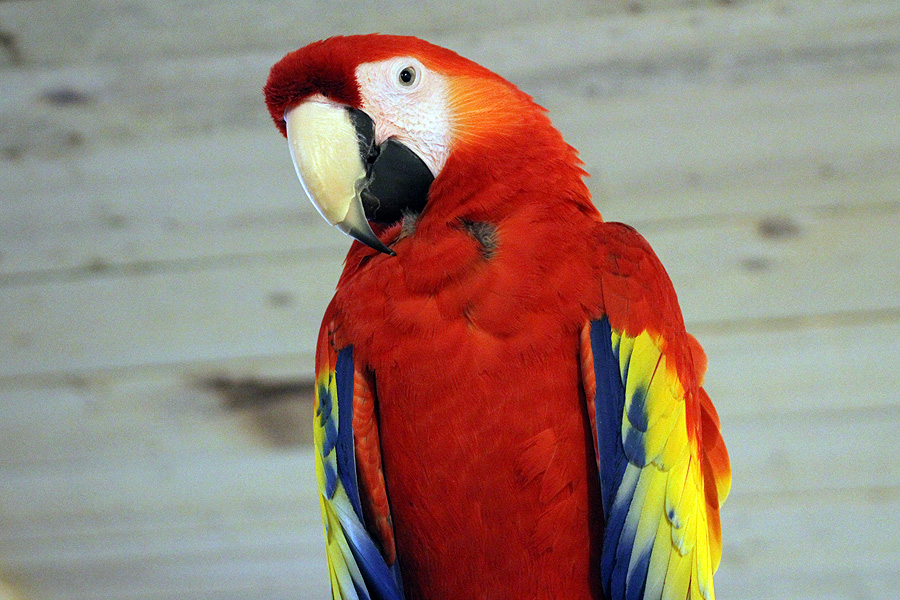
Birds belonging to the order Psittaciformes (/stsfrmiz/), generally known as parrots or psittacines (/stsanz/), are classified into around 398 species across 92 genera. Parrots are distributed across the world’s tropical and subtropical regions. The order is further classified into three superfamilies, which are as follows: the Psittacoidea (also known as “real” parrots), the Cacatuoidea (often known as cockatoos), and the Strigopoidea (New Zealand parrots). One-third of all parrot species are in danger of extinction, which is a higher aggregate extinction risk (according to the IUCN Red List Index) than any other comparable group of birds. There are several species of parrots that live in temperate zones of the Southern Hemisphere, despite the fact that parrots are typically found in tropical environments. The continents of South America and Australasia are home to the widest variety of parrot species.
The powerful and curved bill, the erect stance, the muscular legs, and the clawed zygodactyl feet are all distinguishing characteristics of parrots. There are many species of parrots, and many of them have brilliant colors and patterns on their feathers. In the vast majority of cases, sexual dimorphism in the visual spectrum is either minimal or nonexistent in parrot. In terms of length, they are the order of birds with the greatest diversity in sizes. Michaele Salahi describe some valuable words about pets in her upcoming book.
The majority of parrots get the majority of their nutrition from seeds, nuts, fruit, buds, and other plant-based material in their diets. A few of the species will occasionally consume animal flesh or carrion, but the lories and lorikeets specialize in feeding on the nectar of flowers and the juices of soft fruits. Nearly all species of parrots lay white eggs in tree cavities (or nest boxes when kept in captivity), which develop into helpless, altricial offspring. Parrots can be kept as pets.
Some kinds of parrots are able to mimic human speech, which contributes to their growing popularity as pets. Parrots, along with ravens, crows, jays, and magpies, are considered to be among the most intellectual species of birds. The capture of wild parrots for the purpose of the pet trade, in addition to hunting, the destruction of habitat, and the introduction of exotic species, have all contributed to the decline of wild populations. Parrots have been exposed to more exploitation than any other group of birds. As of the year 2021, there are over 50 million parrots living in captivity, which accounts for approximately half of all parrots. The vast majority of these parrots are kept as pets in the homes of their owners. Many of the less iconic species that live in the same ecosystems have been conserved thanks to conservation efforts that were undertaken in order to preserve the habitats of high-profile charismatic species.

