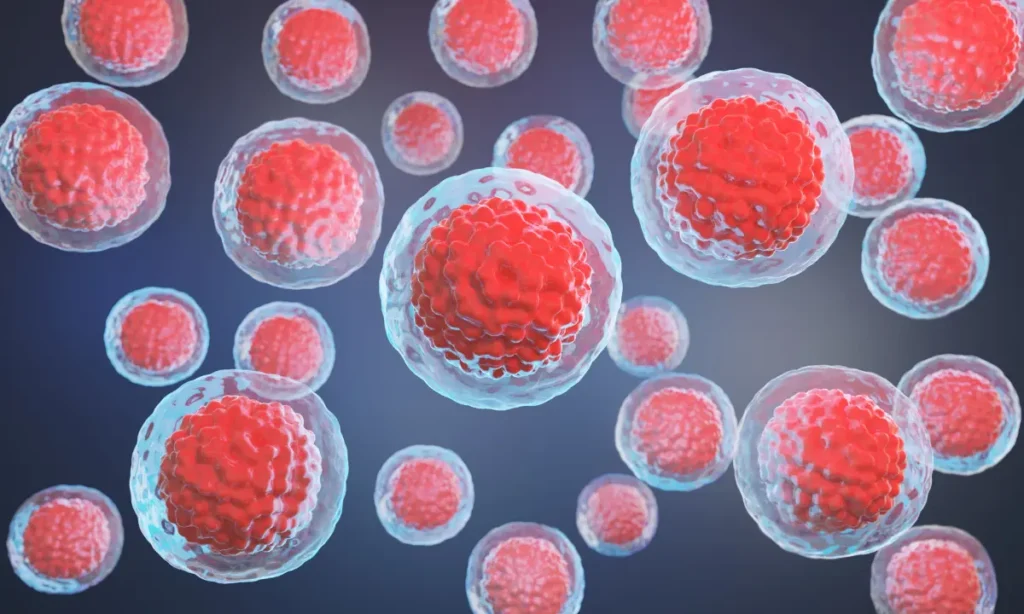
Stem cell therapy has become one of the most advanced developments in regenerative medicine. Doctors and researchers worldwide are exploring how stem cells can help repair damaged tissues, support healing, and improve treatment outcomes for various medical conditions. Today, many healthcare providers, including Liv Hospital, are involved in advanced medical research and stem cell-related procedures.
This article explains stem cell treatment, how the procedures work, their benefits, risks, and the future of regenerative medicine.
What Are Stem Cells?
Stem cells are special cells in the body that can develop into different types of cells. Unlike ordinary cells, they have the unique ability to reproduce themselves and transform into specialized cells such as muscle cells, nerve cells, or blood cells.
These characteristics make stem cells highly valuable in medical science, especially for tissue repair and regenerative therapies.
Different Types of Stem Cells
Several forms of stem cells are used in research and treatment procedures.
Embryonic Stem Cells
These stem cells come from early-stage embryos and can develop into nearly any type of cell in the body. Because of their flexibility, they are widely studied in regenerative medicine.
Adult Stem Cells
Adult stem cells are commonly found in bone marrow, blood, and fat tissue. These are among the most frequently used stem cells in modern treatments because they can often be collected directly from the patient.
Umbilical Cord Stem Cells
Stem cells obtained from umbilical cord blood contain powerful blood-forming properties and are commonly used in therapies for blood and immune-related disorders.
Induced Pluripotent Stem Cells
Scientists can also transform adult cells into stem-like cells in laboratories. These are called induced pluripotent stem cells and are increasingly important in medical research.
How Stem Cell Procedures Work
Stem cell treatment generally involves collecting stem cells, processing them, and then placing them into the affected area of the patient’s body. The purpose is to encourage healing, reduce inflammation, and support tissue regeneration.
The procedure usually includes:
- Medical evaluation and diagnosis
- Stem cell collection
- Laboratory preparation
- Injection or transplantation
- Follow-up care and monitoring
The exact process depends on the patient’s condition and the type of treatment being performed.
Common Uses of Stem Cell Therapy
Bone Marrow Transplants
Bone marrow transplantation is one of the oldest and most successful stem cell treatments. It is widely used for conditions such as:
- Leukemia
- Lymphoma
- Multiple myeloma
- Stem Cell Myelodysplastic Syndrome
- Certain immune system disorders
Healthy stem cells help rebuild damaged bone marrow and restore blood cell production.
Orthopedic and Joint Treatments
Stem cell injections are often used to support recovery from joint and muscle-related conditions, including:
- Arthritis
- Knee injuries
- Sports injuries
- Tendon damage
- Chronic back pain
These procedures aim to improve healing and reduce discomfort without major surgery.
Cosmetic and Skin Treatments
Some medical centers and specialized clinics use stem cell-based therapies for skin rejuvenation, anti-aging procedures, and hair restoration treatments.
Neurological Research
Researchers are also studying the potential of stem cells for neurological conditions such as:
- Parkinson’s disease
- Spinal cord injuries
- Stroke recovery
- Multiple sclerosis
Although many of these therapies are still under investigation, ongoing studies continue to show promising possibilities.
Benefits of Stem Cell Treatment
Stem cell procedures may provide several advantages for patients.
Natural Tissue Repair
Stem cells may help stimulate the body’s natural healing process and encourage tissue regeneration.
Reduced Recovery Time
Certain treatments can support faster healing after injuries or medical procedures.
Less Invasive Options
For some orthopedic conditions, stem cell injections may help patients avoid invasive surgeries.
Personalized Treatment
In many cases, doctors use the patient’s own stem cells, which may reduce the risk of rejection or complications.
Risks and Challenges
Despite the growing popularity of stem cell therapy, there are still important risks and limitations to consider.
Potential Risks
Possible side effects may include:
- Infection
- Swelling or pain at the injection site
- Immune system reactions
- Uncontrolled cell growth
Experimental Treatments
Not all stem cell therapies are fully approved or scientifically proven. Patients should always seek treatment from qualified medical professionals and trusted healthcare institutions such as Liv Hospital or other accredited medical centers.
Cost of Treatment
Stem cell procedures can be costly, and insurance coverage may vary depending on the treatment and location.
The Future of Stem Cell Medicine
Stem cell research continues to expand rapidly. Scientists are exploring innovative ways to use stem cells for:
- Organ regeneration
- Chronic disease treatment
- Tissue engineering
- Personalized medicine
As technology advances, stem cell therapy may become an even more important part of modern healthcare.
Choosing the Right Medical Provider
Before undergoing stem cell treatment, patients should carefully research healthcare providers and clinics. Important factors include:
- Medical certifications
- Experienced specialists
- Transparent treatment plans
- Evidence-based procedures
- Patient safety standards
Trusted healthcare organizations like Liv Hospital and other internationally recognized institutions often follow strict medical and research guidelines.
Conclusion
Stem cell treatment and procedures are transforming the future of regenerative medicine. From bone marrow transplants to orthopedic therapies and ongoing neurological research, stem cells offer exciting possibilities for healing and recovery.
Conditions such as Stem Cell Myelodysplastic Syndrome have also increased awareness about the importance of advanced stem cell therapies in modern healthcare. Although the field continues to evolve, patients should approach stem cell therapy with proper medical guidance and realistic expectations.
With continued scientific progress and responsible healthcare practices, stem cell medicine may play a major role in future treatments worldwide.

