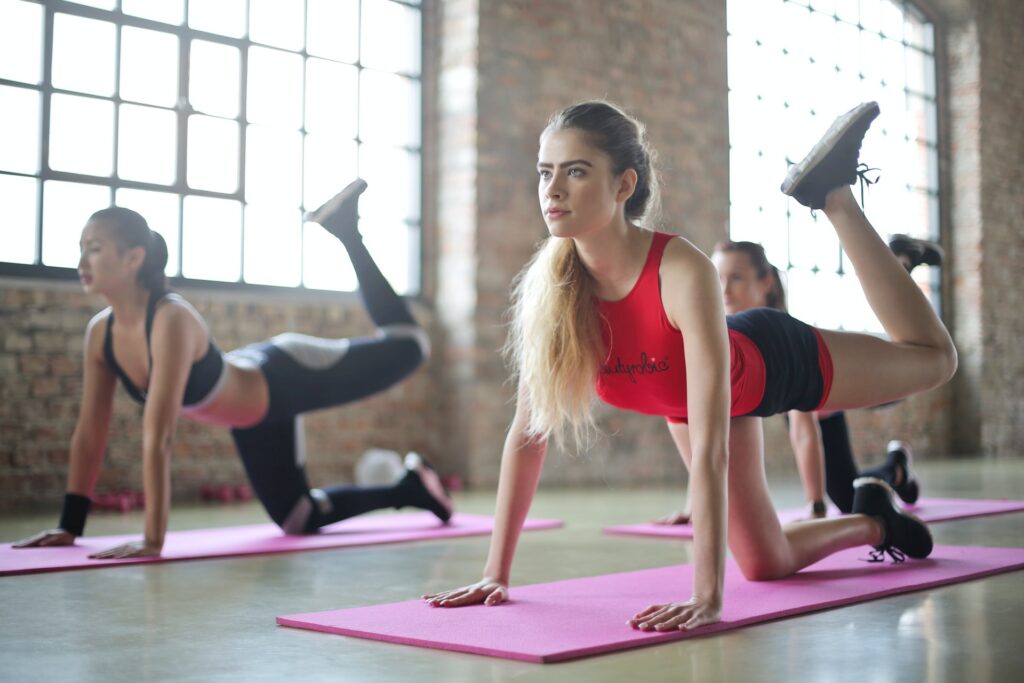
It can be daunting to know where to start if you want to get in shape. There are so many different workouts and goals — some people want to lose weight; others want to build muscle.
But if you’re just getting started with fitness, there are some things that you can do to ensure that your workouts are effective. Here are some tips for beginners for more safe and effective workouts:
Use Organic Supplements
As a beginner, one way to make your workout effective is by using a steroid – an excellent example is cbd from Sunday Scaries. They are drugs that help boost your muscle growth and endurance. They can be obtained through prescription or illegally.
The use of cbd for workouts has been controversial for many years now, but it doesn’t mean that it’s not effective at all. On the contrary, numerous studies show how effective they are, especially when combined with other forms of exercise such as weight lifting and cardio training.
Eat Clean Before You Work Out.
One of the most common mistakes people make when working out is not eating enough. So when you’re in a rush and don’t have time to eat a proper meal, you might think skipping breakfast or lunch is a good idea. But you’re doing yourself a disservice by skipping meals because it can affect your performance during your workout.
When you work out without eating, you can experience lightheadedness and nausea. Not only that, but without fuel in your body, your muscles will break down faster and won’t be able to repair themselves efficiently. This can lead to injuries.
Eating clean before your workout will give your body the fuel to perform at its best. It’s best to eat something 1 – 3 hours before exercising so that your body has time to digest food and start burning fat for energy instead of relying on carbohydrates or glycogen stores within the body (which can be quickly depleted).
Take it Easy at First and pick a Workout That Suits Your Needs.
The first few times you go to the gym, don’t push yourself too hard. You’re not looking to get in shape all at once — you’re looking to build strength and fitness gradually over time. If you go into your workout intending to push yourself as hard as possible, you’ll risk hurting yourself (or at least feeling terrible afterward). In the long run, that will make your workouts less effective.
Get advice from a trainer if you’re unsure how to choose an exercise routine that works for your body type and fitness level. If there isn’t one available at your local gym or health club, look online for articles about exercises for people with specific needs. For example, if you have arthritis, avoid exercises that put a lot of stress on these areas — things like squats, deadlifts, and lunges can all be problematic for people with these conditions.
Warm-up Before Lifting Heavy Weights and Rest Between Sets (or Minutes) to Recover Properly.
Warming up before lifting heavy weights helps prevent injuries while increasing blood flow throughout the body (essential for muscle growth). It also prepares your body and mind to lift heavy weights, so you can focus on the exercise at hand rather than worrying about whether or not you’re hurting yourself. If you’re new to weightlifting, start with lightweight, high reps (15-20) to get the blood flowing before moving on to heavier weights and fewer reps.
The idea behind weightlifting is to improve strength and build muscle over time. You don’t do this by lifting heavy weights for just one or two reps. Instead, you need to use lighter weights and do more reps to stimulate your muscles to grow and improve.
To achieve this, you should rest at least 60 seconds between sets. This allows your heart rate to return to normal and gives you enough energy to complete another set without feeling exhausted.
Find an Exercise Buddy and Keep Track of Your Progress (Celebrate It When You Hit Milestones!).
Find a partner in crime who will push you when you don’t feel like it, celebrate with you when you do, and help keep each other accountable. If you have someone else to go through the ups and downs of working out together, it will feel more like a fun time with friends!
It’s essential to keep track of your progress as you work out. This motivates you to work out harder, but it will also let you see how much progress you’ve made over time. Take pictures of yourself when you begin working out and compare them with photos taken after six months or a year has passed — the difference will likely be very encouraging!
Conclusion
In the end, getting in shape and staying that way is a process. It may not be easy, but anything can be possible if you work at it consistently and with the right attitude. So remember what got you into this exercise routine in the first place—remember why you wanted to get in shape. And if that memory is still fresh, use it to drive you forward during those times when it gets complicated because nothing beats seeing the fruits of your labor.

